Most moles are completely harmless—so much so that they’ve been given a charming nickname: “beauty marks.”
However, not everyone loves their moles, and for some, they may even pose a health risk. If you’re considering mole removal, it’s essential that you find a board-certified dermatologist who removes moles.
In Fort Lauderdale, our very own Dr. Miguel Villacorta can safely and effectively remove moles using a variety of different methods.
Before we discuss the removal methods that are available at Galt Dermatology & Concierge Medicine, we first want to take a moment to explain what moles are, why they appear, and why you should have a dermatologist check them at least once a year.
Table of Contents
Use the links below to skip ahead and find the information most pertinent to you.
- What Are Moles?
- What Causes Moles?
- When Should I Be Concerned About a Mole?
- ABCDEs of Moles
- Visiting a Dermatologist
- The Types of Mole Removal Options
- What to Expect
- Frequently Asked Questions About Mole Removal
You can also call to schedule an appointment with a dermatologist who removes moles in Fort Lauderdale.
What Are Moles?
Moles, also called “nevus,” are growths on your skin that appear brown or black. Most moles show up on the skin during childhood and grow and change as you do. But not all moles are the same, and understanding the differences can help you better assess if they are more of a cosmetic or medical concern.
Types of Moles
Some moles are common and harmless; others can increase your risk of getting melanoma—a skin cancer that targets your skin’s melanocytes (pigment). At Galt, we can diagnose the following moles:
- Common Moles – Common moles are usually round or oval with a smooth surface and clearly defined borders. They are typically pink, tan, or brown and are generally harmless.
- Congenital Moles – Congenital moles are present at birth or develop shortly afterward. While many are harmless, larger congenital moles may carry an increased risk of melanoma over time and should be monitored regularly.
- Dysplastic (Atypical) Moles – Dysplastic moles are often larger than common moles and may have irregular borders, uneven coloring, or asymmetrical shapes. While most do not become cancerous, they can be associated with a higher risk of melanoma and should be evaluated by a dermatologist
What Causes Moles?
Moles form when melanocytes, the cells responsible for producing pigment in your skin, grow in clusters instead of spreading evenly throughout the skin.
While genetics play a major role in how many moles you develop, certain factors can also cause moles to darken or change over time, including:
- Sun exposure – Ultraviolet (UV) radiation can stimulate pigment-producing cells, causing moles to become darker or more noticeable.
- Pregnancy – Hormonal shifts during pregnancy may temporarily affect pigmentation and alter the appearance of existing moles.
- Hormonal changes – Changes during puberty, pregnancy, or menopause can influence pigment production and lead to changes in color or size.
Most mole changes are harmless, but it’s important to monitor for noticeable changes in shape, border, color, or size and have concerning moles evaluated by a dermatologist.
When Should I Be Concerned About a Mole?
As we stated before, most moles are harmless and only warrant visiting a dermatologist who removes moles in Fort Lauderdale for cosmetic purposes. However, if a mole appears after the age of 30, or changes in color, thickness, size, or shape, it’s worth a visit to a dermatologist. That way, they can perform a skin biopsy to determine if it’s a medical concern or not.
How to Assess Your Moles: The ABCDE Method
While we always recommend visiting a dermatologist to check and monitor your moles, we still encourage you to assess them at home. Using the ABCDEs of moles can help you determine if you should visit a dermatologist immediately, or if you’re safe to wait until your annual skin cancer screening.
A: Asymmetrical moles have one half that does not match the other half.
B: Borders are irregular, scalloped, or poorly defined.
C: Colors of the mole vary throughout, with shades of multiple colors such as tan, brown, black, blue, white, or red.
D: The diameter is larger. You can compare it to the size of an eraser at the end of a pencil. If it is larger, call a dermatologist.
E: Elevation or evolution changes, meaning a flat mole becomes raised or the size, shape, color or height is different. The changes could also manifest in itchiness, tenderness, or bleeding.
Why You Should Visit a Dermatologist for Mole Removal
While over-the-counter mole removal products are widely available, it’s important to have moles evaluated by a qualified dermatologist who removes moles in Fort Lauderdale before attempting to remove them yourself.
According to the FDA, at-home mole removal treatments can lead to complications such as:
- Skin irritation and injury
- Infection
- Permanent scarring
More importantly, removing a mole at home can delay the diagnosis of skin cancer, including melanoma. Without proper evaluation and biopsy when needed, a potentially dangerous lesion may go undetected.
At Galt Dermatology & Concierge Medicine, every mole is carefully assessed before removal to determine whether further testing or treatment is necessary.
We also believe that annual skin checks are an important part of preventive health — even for patients who don’t have moles. In a sunny climate like Florida, cumulative UV exposure can significantly increase the risk of skin cancer and premature skin damage over time, especially for those who spend a lot of time outdoors.
Related Reading: Early Detection and Gold-Standard Care for Melanoma Surgery
Protecting your skin starts with early detection, regular monitoring, and expert evaluation when something changes.
Mole Removal Options Offered at Galt
Now that you understand the importance of visiting a dermatologist for mole removal, we want to take a moment to explain what types of excision options are available.
For each of these methods, we may take a skin biopsy to ensure the mole is benign before proceeding with removal. This biopsy, which involves carefully examining a small sample of the mole under a microscope, is crucial for accurate diagnosis and treatment planning. Once we confirm the mole is harmless, we can select the most suitable excision technique.
Shave Mole Removal
Using a single or double-bladed razor, Dr. Villacorta shaves the growth of the mole off so it’s the same level as the rest of your skin. In order to stop the bleeding, he may lightly burn (cauterize) the base of the mole, which also reduces the risk of scarring. Patients like this method of removal because it is quick and doesn’t require stitches.
Punch Mole Removal
For deeper moles, we use a sharp, circular tool to remove the mole and underlying skin sample. Next, we stitch the treatment area up.
Excision Mole Removal
This is a common technique for a dermatologist who removes moles in Fort Lauderdale. It requires Dr. Villacorta to use a scalpel and separate your mole from the rest of your skin. Next, we stop the bleeding with cauterization and stitch the treatment area.
Curettage
Using a curette (a spoon-shaped surgical instrument), Dr. Villacorta scrapes off superficial moles.
Desiccation
This method of mole removal uses electrical currents to shave or burn the mole. This leads to scabbing and minimal scarring.
What to Expect During Your Mole Removal at Galt
From start to finish, here’s the process for mole removal at Galt Dermatology & Concierge Medicine.
Consultation
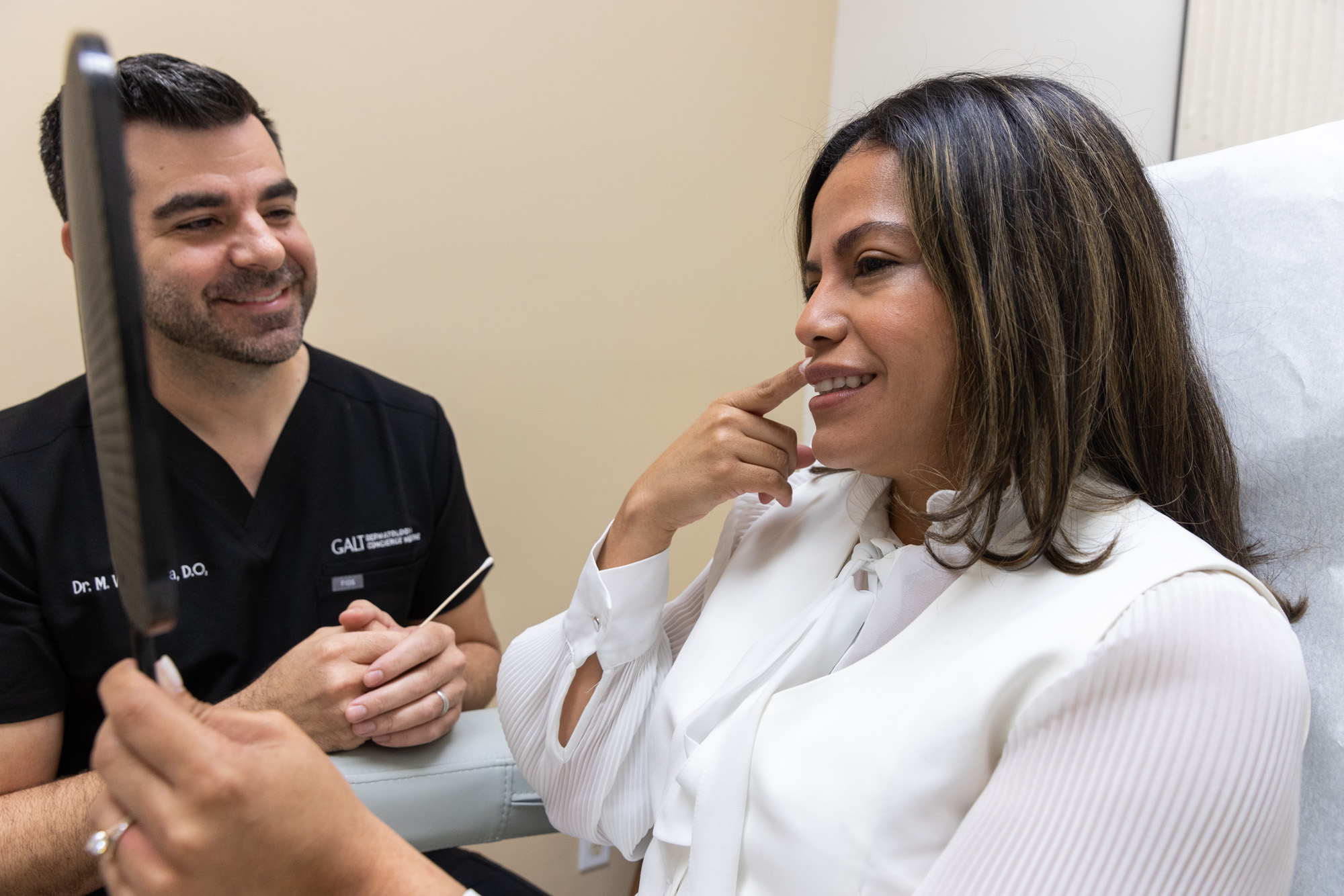
You sit down with Dr. Villacorta to discuss your concerns. Whether you simply don’t like the look of a mole, or you’re worried about it developing into melanoma, we provide you with expert-level guidance and care. After the initial conversation, we conduct a careful full-body skin inspection.
Skin Cancer Screening
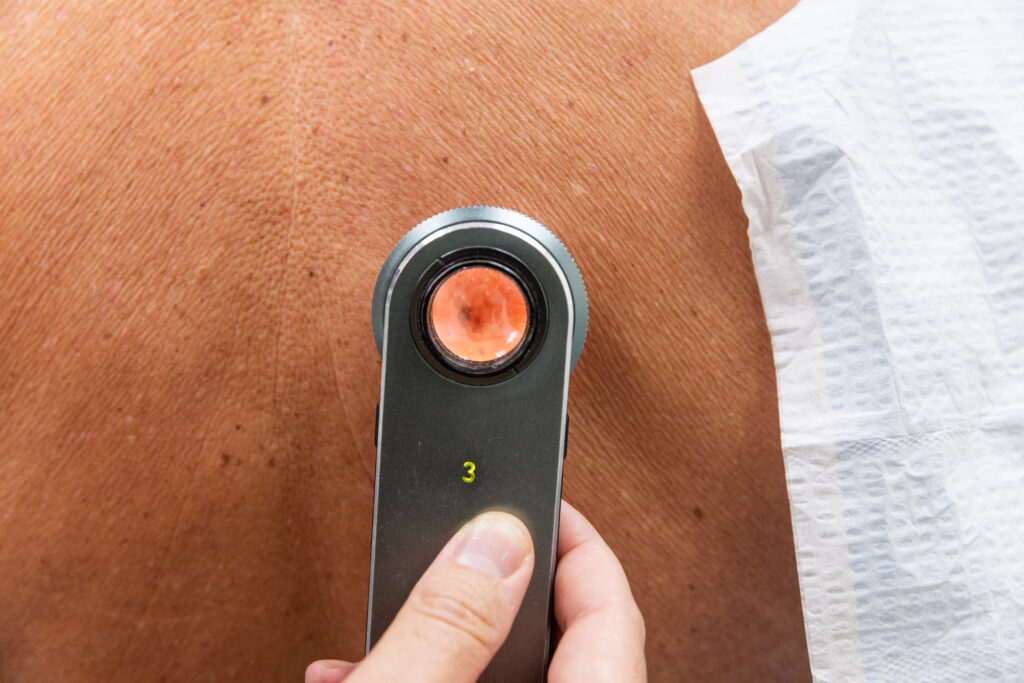
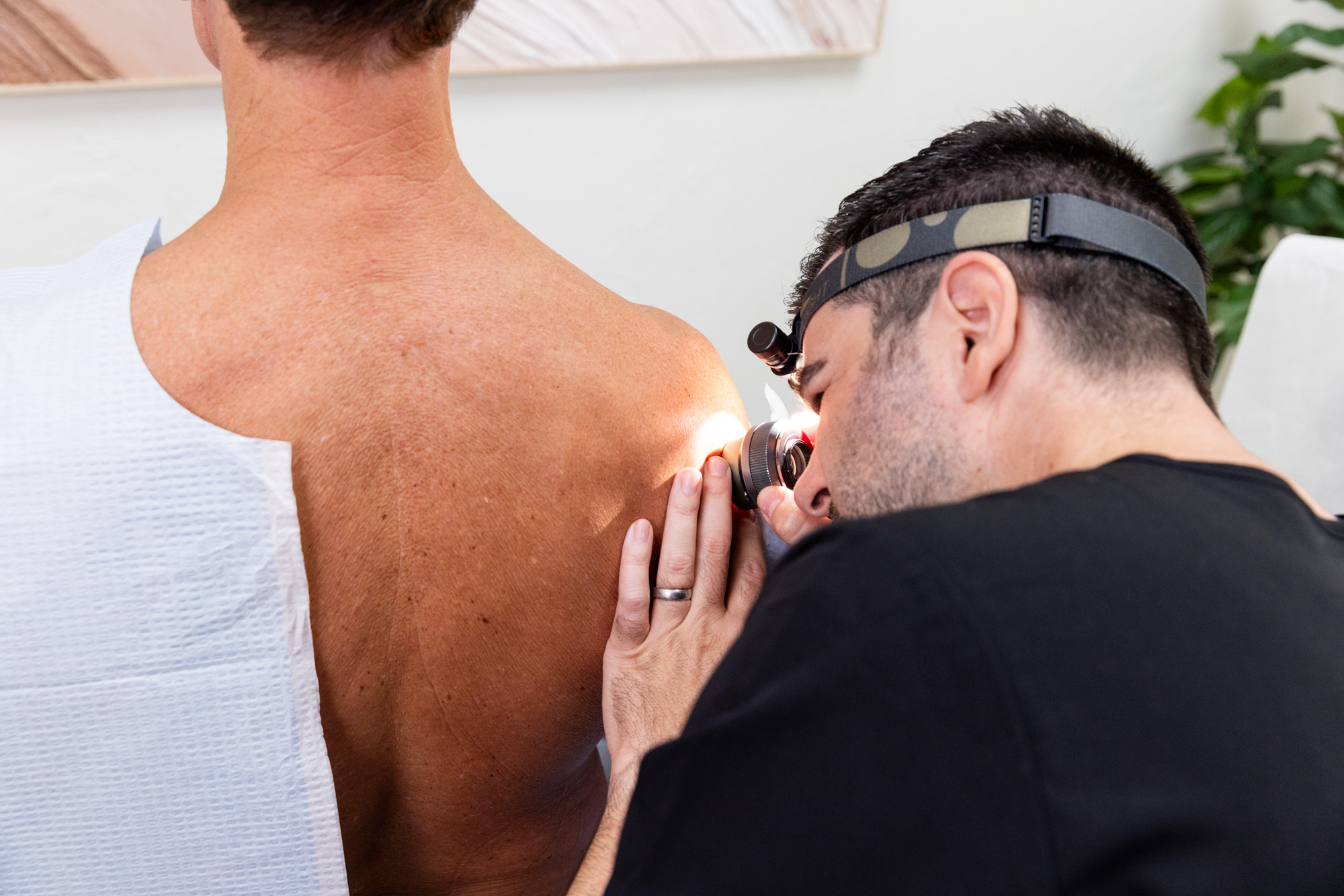
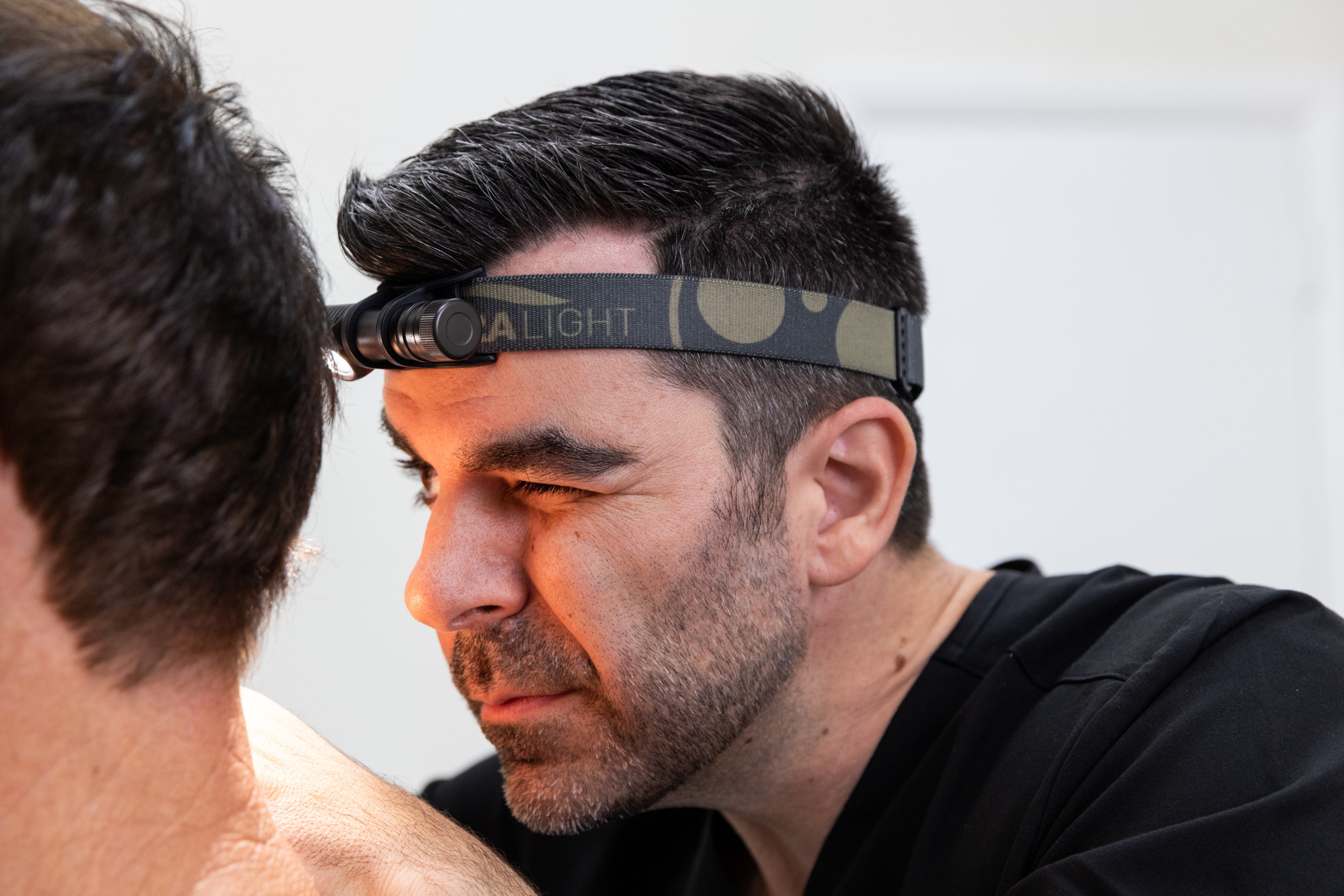
Next, we give you a gown to change into and use a dermatoscope (an instrument similar to a microscope) to examine any moles or lesions. We also take a biopsy, if necessary, to send off for testing.
Your dermatologist who removes moles in Fort Lauderdale will reach out to you within 1 to 2 weeks to review your lab results and potentially schedule another screening or further treatment if indicated.
Removal
You and Dr. Villacorta decide which removal technique is preferred during the consultation.
On the day of your removal, our surgical dermatologist will administer general or local anesthesia for your comfort. Next, he will expertly and precisely remove the moles with your preferred method.
Next Steps
Mole removal is an outpatient procedure, so you are free to go home after the treatment. Dr. Villacorta will give you a list of post-care instructions and schedule a follow-up visit to keep track of any new growths or changes.
Frequently Asked Questions About Mole Removal
Here are questions that people often ask our dermatologist who removes moles in Fort Lauderdale.
Is mole removal permanent?
Typically mole removal is permanent. However, some moles reoccur, so it’s best to schedule yearly skin checks just to be safe.
What are the post-care instructions for mole removal?
Dr. Villacorta will give you personalized instructions for your mole removal. For every patient, he provides clear details on how to keep the treatment area clean and moist. You should expect to change the dressing daily. We always recommend avoiding direct sun exposure and applying sunscreen daily, even if you’re not going outside.
Will mole removal leave a scar?
Any procedure that removes tissue from the skin carries some risk of scarring. However, we take careful measures to minimize scarring and support optimal healing whenever possible.
The appearance of a scar depends on several factors, including:
- The size and location of the mole
- The removal method used
- Your skin type and healing response
- How well the area is cared for after the procedure
At Galt Dermatology & Concierge Medicine, Dr. Villacorta uses precise techniques and provides detailed aftercare instructions to help promote the best cosmetic outcome possible.
While we cannot guarantee scar-free healing, most scars fade significantly over time and become far less noticeable as the skin heals.
But Dr. Villacorta is more than a dermatologist who removes moles in Fort Lauderdale. He also provides a range of cosmetic dermatology treatments that can fade scars, including:
- Morpheus8 for face and body
- SkinPen Microneedling
- Intense Pulsed Light (IPL) Therapy
Schedule Your Visit With Dr. Villacorta
To learn more about your options for mole removal, schedule a consultation or try our treatment planning tool.