Most wounds heal on their own—with proper dressing and care, of course. The human body typically knows how to repair itself. However, there are some instances and conditions where the body needs help from a dermatologist to heal properly.
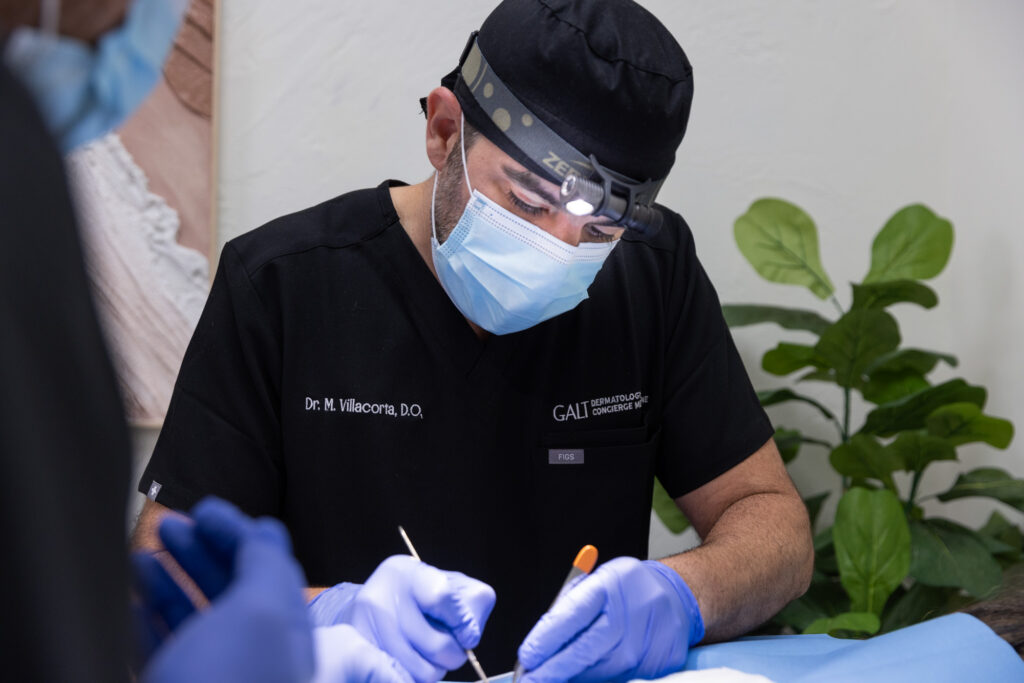
At Galt Dermatology & Concierge Medicine, our board-certified dermatologist, Dr. Miguel Villacorta, expertly monitors wounds and provides personalized treatment options for wound care and dressing in Fort Lauderdale.
To learn more about wounds, wound care, and our services, read this article.
Table of Contents
- Why Should I Visit a Dermatologist for Wound Care?
- How Wounds Heal
- Why Wound Healing Stalls
- Our Treatment Options
Note: If you have a concerning or slow-healing wound, you shouldn’t wait to receive treatment. Instead, call our office to book a consultation with Dr. Villacorta for personalized and effective wound care and dressing.
Why Should I Visit a Dermatologist for Wound Care?
Your skin is the body’s largest organ, protecting you from germs and infections. When a wound doesn’t heal properly, it not only poses a serious threat to your overall health, but it also indicates an underlying issue that needs to be addressed by a professional.
Dermatologists specialize in diagnosing and treating skin conditions, from minor irritations to complex systemic diseases affecting the skin. Their expertise extends to the meticulous management of wounds, ensuring optimal healing and preventing further complications.
Meet Dr. Miguel Villacorta, Our Board-Certified Dermatologist
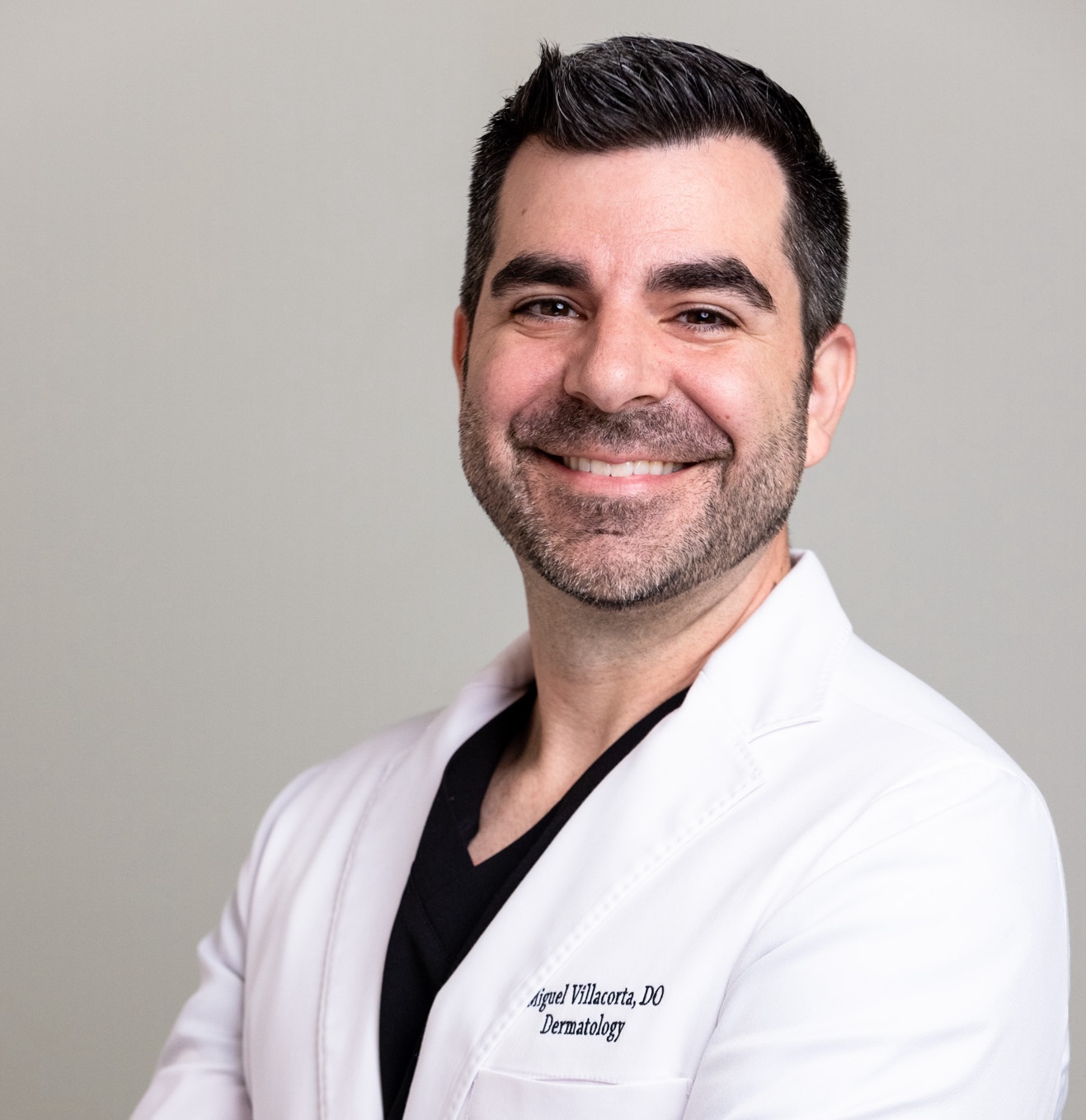
For your wound care and dressing in Fort Lauderdale, you will be seen by Dr. Miguel Villacorta, our board-certified dermatologist. After earning a Doctor of Osteopathic Medicine degree and a Master of Public Health from Nova Southeastern University, Dr. Villacort focused his time on skin cancer research. His work earned him recognition as a Young Innovator from the American Academy of Medical Entrepreneurs.
During his advanced internship and residency at Broward Health, Dr. Villacorta received the Resident of the Year Award and presented at major conferences and published extensive works.
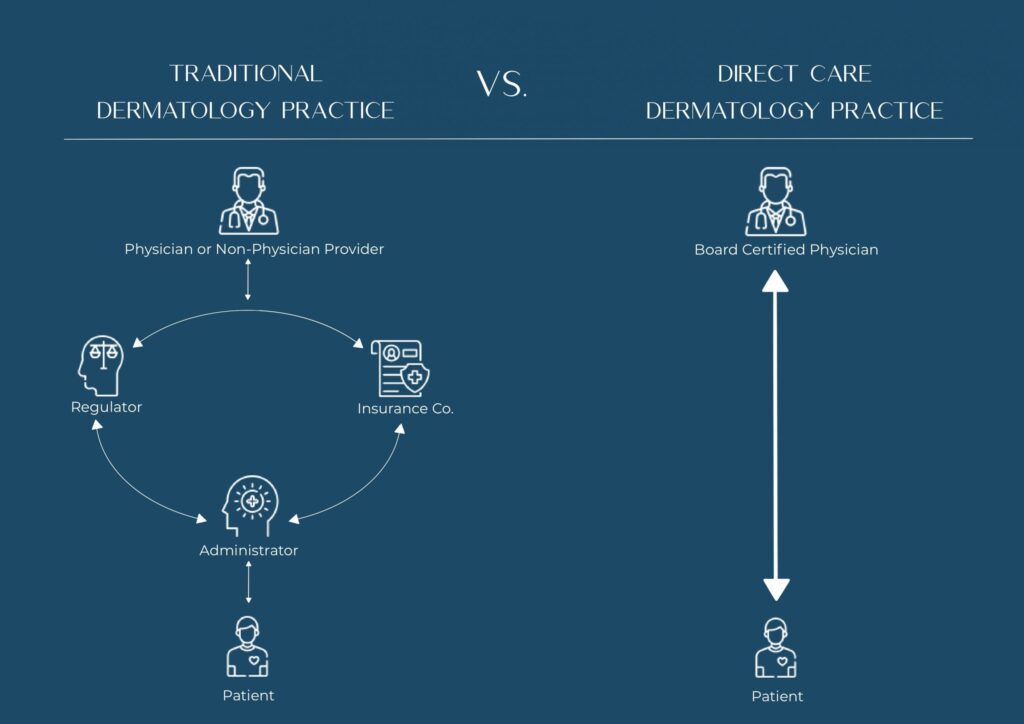
His impressive education laid the foundation for establishing the first direct-care dermatology practice in South Florida. This transformative model sets new standards for dermatologists nationwide, emphasising placing the utmost importance on the patient and offering science-backed, evidence-based treatments.
Dr. Villacorta approaches wound healing and dressing with empathy, understanding the negative impact a slow-healing wound can have on your life. Through advanced dermatological treatments, he aims to improve your overall health.
With an emphasis on client education, he doesn’t simply treat you and send you on your way. He thoroughly explains why your wound isn’t healing properly and how his comprehensive treatments can help.
How Wounds Heal
There’s a process to how wounds heal, and an interruption in this process is the reason why someone may need expert help with wound care and dressing in Fort Lauderdale. When wounded, your body initiates a sequence of actions to halt blood loss and close the injury. These include:
- Hemostasis: This step stops the bleeding. In just a few seconds, your blood vessels tighten, your platelets form a clot to prevent germs from getting in and blood from leaking out.
- Inflammation: During this phase, blood vessels dilate, allowing immune cells to enter the wound. White blood cells help remove debris, bacteria, and damaged tissue, while signaling molecules coordinate the next stages of healing.
- Skin Rebuilding: Your body ramps up collagen production to aid in skin cell regeneration, the process of replacing old, damaged skin cells with new, healthy ones.
- Maturation: In the final phase, the newly formed tissue strengthens and reorganizes. Collagen is remodeled and aligned, improving the skin’s durability and function. This phase can begin within a few weeks but may continue for several months to years, depending on the severity of the wound.
Why Wound Healing Stalls?
As you can see, blood circulation is important to the entire healing process. Blood delivers oxygen and essential nutrients to the wound, supporting tissue repair, while also transporting important components that actively contribute to healing. Without proper blood flow, the healing process stalls. There are many underlying causes that could contribute to reduced circulation, these include:
- Smoking
- Obesity
- Significant trauma
- Immobility
- Poor nutrition
- Diabetes
- Vascular issues
These underlying causes can lead to ulcers forming on the body-wounds that don’t heal unless properly treated. At Galt, we commonly treat the following ulcers for wound care and dressing in Fort Lauderdale.
Diabetic Ulcers
Diabetes stems from having elevated blood sugar levels, which can damage small and large blood vessels and reduce circulation. This not only leads to slow-healing wounds but also nerve damage, potentially causing neuropathy.
Diabetic ulcers commonly appear on the foot as an open sore or wound. Some patients may not feel pain from diabetic foot ulcers, as nerve damage causes them to lose feeling in their foot. This means they may go a certain duration of time without even knowing they have an open wound. Instead, they may notice redness, swelling, drainage, or an odor.
Dr. Villacorta may prescribe antibiotics to fight off infection for your diabetic foot ulcer. The treatment type depends on the severity of your condition, which may include medications, dressings, and in some cases wound debridement.
Extremity Ulcers
Vascular issues like peripheral artery disease (PAD) or chronic venous insufficiency cause extremity ulcers. Factors like immobility, chronic diseases, and obesity contribute to these slow-healing, chronic wounds. Forming on your legs and ankles, these wounds appear in shallow, irregular shapes and cause itching, swelling, a dull ache, and pus.
These may not heal on their own, which increases your risk of permanent tissue damage or spreading infections. If you have extremity ulcers, it’s best to visit our board-certified dermatologist as soon as possible for wound care and dressing in Fort Lauderdale for timely healing and a long-term treatment plan.
Wound Care Treatment Options
Our wound care options depend on the severity and cause of your wound. Here are a few of our options.
Hyperbaric Oxygen Therapy
Hyperbaric oxygen therapy involves stepping into an enclosed chamber that is filled with 100% oxygen. As you breathe in this concentrated oxygen, it significantly increases the amount dissolved in your blood plasma, allowing it to reach damaged tissues more effectively.
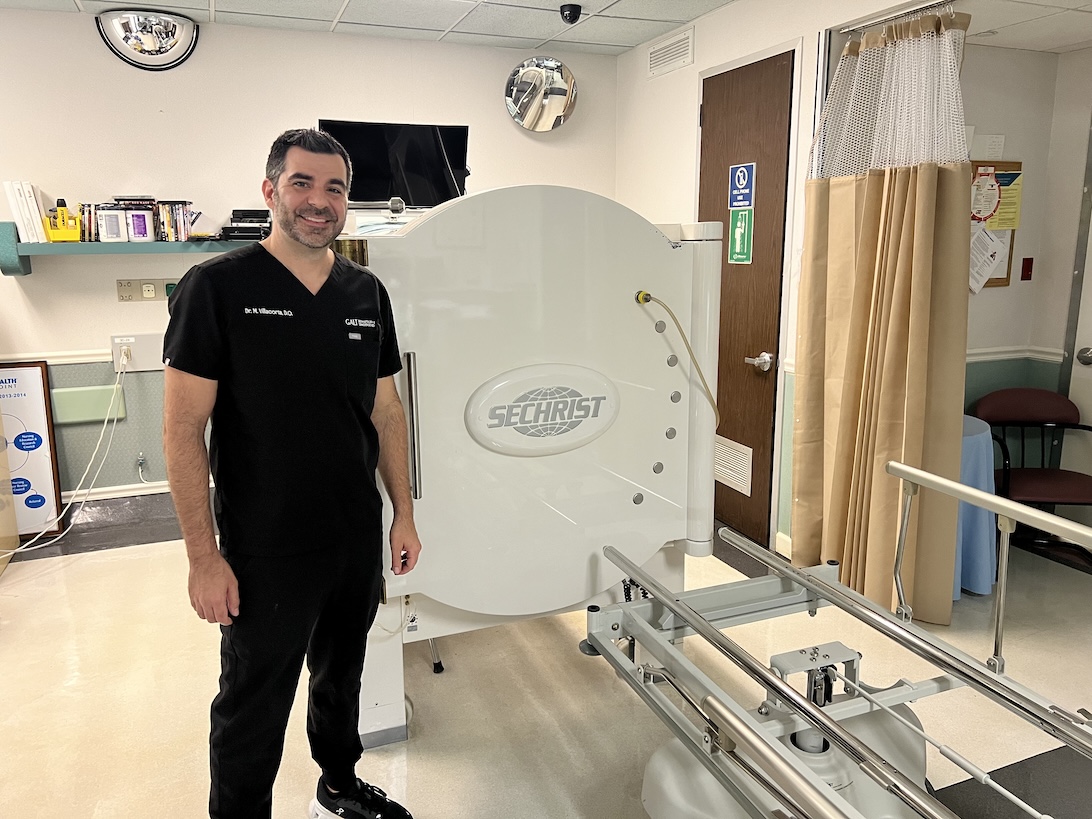
This enhanced oxygen delivery not only accelerates wound healing, but also improves white blood cell activity, helping your body fight off infections and bacteria. Additionally, the therapy promotes angiogenesis—the formation of new blood vessels—which can aid in blood circulation.
While insurance can cover hyperbaric oxygen therapy, they have specific markers that determine your candidacy. We can discuss those with you during your in-office visit.
Wound Debridement
Wound debridement involves removing thickened skin, infected tissue, and other debris from a wound to promote appropriate healing. This option for wound care and dressing in Fort Lauderdale includes different methods:
- Chemical – Synthetic chemical enzymes break down and remove dead and damaged tissue.
- Autolytic – A gentle procedure that uses moisture-retaining dressing to soften old, damaged tissue. As moisture accumulates, it causes the non-viable tissue to swell up and separate from the wound.
- Mechanical – Removes damaged tissue using high-pressure or running water to remove damaged tissue.
- Surgical – Using specialized tools like scalpels, we cut away at dead and damaged tissue.
Medications and Bandages
Aside from antibiotics, we may also prescribe certain medications aimed at preventing infection. Additionally, Dr. Villacorta can dress the wound using Hydrogels, Hydrocolloids, or collagen dressings. These add moisture to the wound while protecting against contaminants.
Lifestyle Guidance
In order to address the underlying conditions causing your slow-healing wounds, we may provide lifestyle guidance or offer referrals to specialists to help you manage chronic conditions. This may include:
- Diabetes management
- Medical weight loss for obesity
- Nutritional guidance for a poor diet
- Physical activity recommendations to promote blood flow.
Dr. Villacorta can provide assistance beyond wound care and dressing in Fort Lauderdale to prevent new chronic wounds from forming.
Your doctor also shows you how to properly take care of your wound at home, offering personalized advice that fits seamlessly into your lifestyle.
Scar Reduction and Skin Rejuvenation
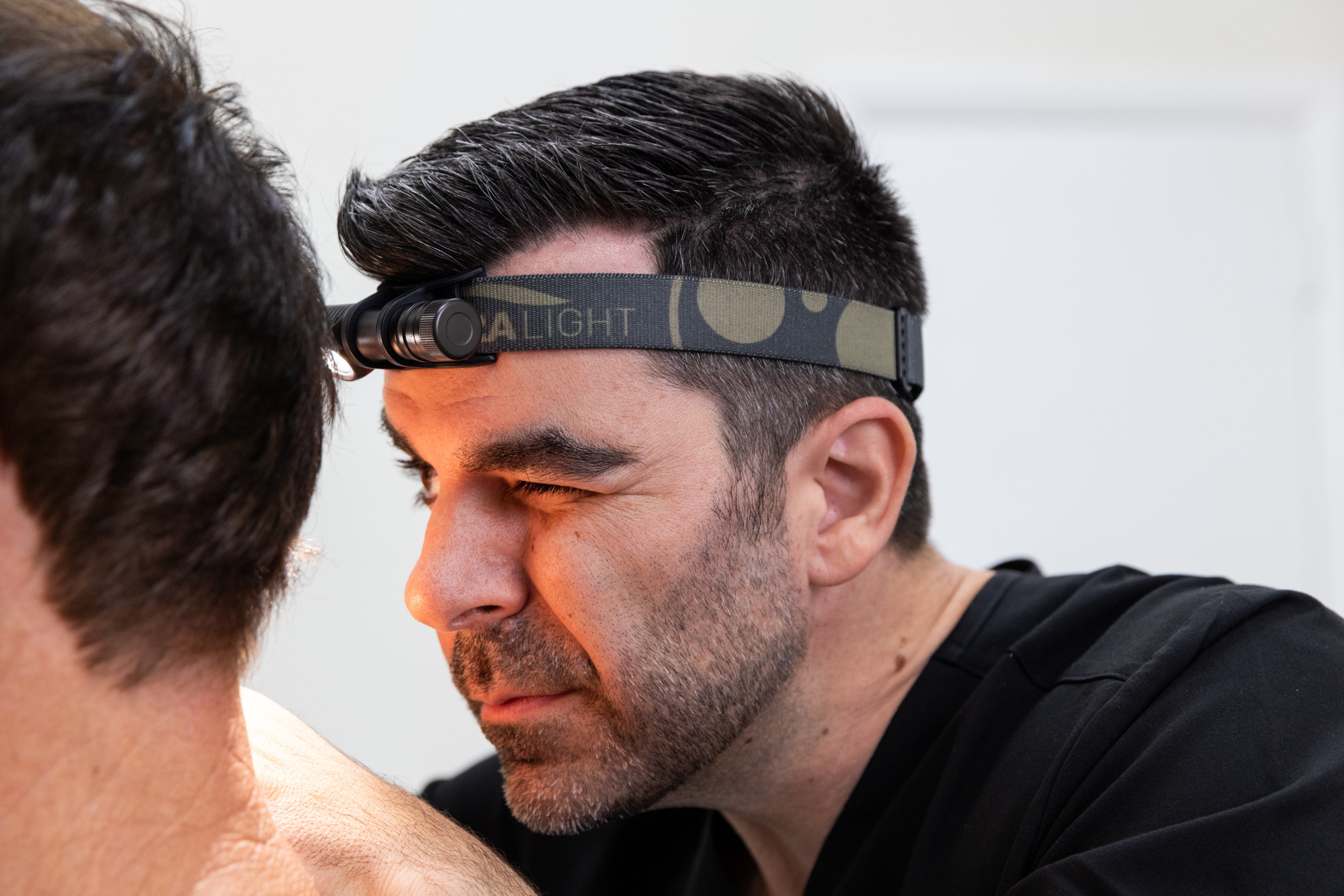
After your wound has completely healed, Dr. Villacorta can discuss scar reduction and skin rejuvenation treatments to minimize the scar’s appearance.
Find Quality Care for Wound Healing
You deserve to live an active, pain-free life. Dr. Villacorta helps you achieve that with wound care and dressing in Fort Lauderdale. Not only does he provide guidance and support for healing, but also for prevention.
To receive expert and unparalleled care, request a consultation to meet with Dr. Villacorta.
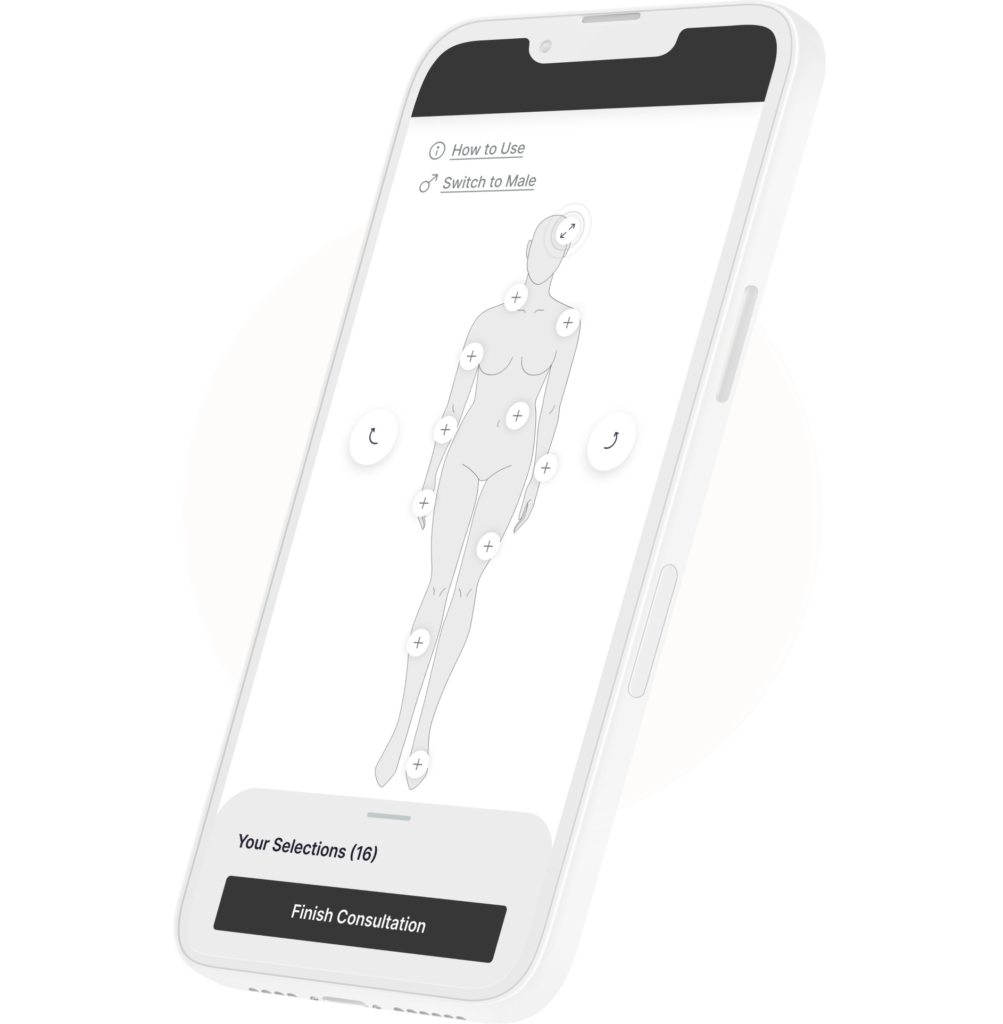
Alternatively, you can try our treatment planning tool, which streamlines the process and sends you on a path to healing much quicker.